
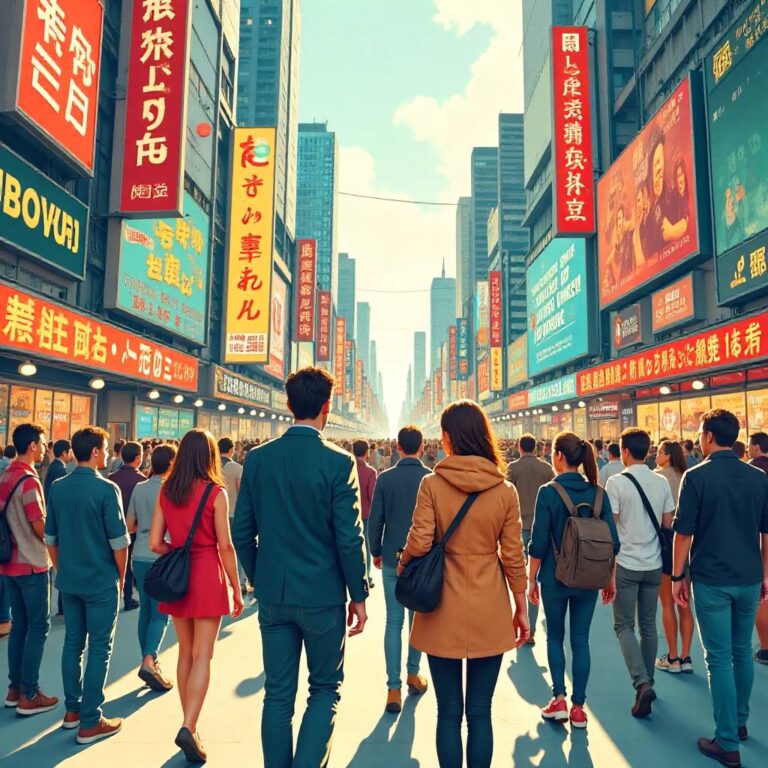

Reader’s Question: Shibuya’s Center Street was 90% foreign visitors… If the ratio doesn’t change to about 70% Japanese and 30% foreign tourists, the country will be in trouble. When foreign tourists come, who benefits from it? Please tell me who
makes a profit.
Shibuya: Where Cultures Collide
Ah, Shibuya! If Tokyo had a heartbeat, I’d argue it would be right there at Shibuya Crossing, that iconic scramble where locals and tourists alike dash in all directions, sometimes even bumping into each other. I remember my first visit, standing there with my mouth agape, soaking in the chaos while simultaneously trying to capture the moment on my phone. But as I took it all in, I wondered, who really benefits from this vibrant tourist hub?
Foreign Tourists Bring the Buzz
Let’s face it; foreign tourists add a unique flavor to places like Shibuya. Sure, the locals are the backbone of the culture, but when you have a crowd that’s 90% visitors, you can’t help but feel that energy shift. I mean, have you ever been in a place where everyone is excited about trying something new? It’s contagious! From the line snaking outside a popular ramen shop to the throngs of people posing for photos with the Hachiko statue, that buzz of curiosity and exploration is palpable.
But here’s the kicker – who actually profits from this influx? First and foremost, let’s talk about local businesses. Restaurants, cafes, and souvenir shops are cashing in, and frankly, I can see why. I’ve lost count of how many times I’ve splurged on novelty items or that overpriced yet oh-so-insta-worthy matcha dessert. You know the one – the one that looks like it’s been plated by a Michelin-starred chef but costs more than my lunch back home!
Restaurants and Cafes: Feeding the Frenzy
Speaking of food, let’s dive deeper. Restaurants in Shibuya thrive on the tourist crowd. I stumbled upon this tiny izakaya, the kind you could easily miss if you weren’t paying attention, and it was packed with visitors eager for a taste of Japan. The owner could hardly keep up with orders, but you could see the joy on his face as he proudly served sizzling yakitori and delicious sake. You could almost taste his pride in the food.
And it’s not just the big names; it’s the little mom-and-pop places that also see a boost. Those hidden gems, like the one I found tucked away on a side street, benefit immensely from foot traffic. The owners were so friendly, and I remember chatting with them for half an hour over my meal. It felt special to connect with them beyond just a customer-seller relationship.
Shopping: The Souvenir Bonanza
Let’s not forget about shopping! From quirky T-shirts to the latest trends in fashion, Shibuya is a shopper’s paradise. I’ll admit, I have a weakness for a good shopping spree. The massive 109 building is a haven for fashion lovers, full of local designers and fast fashion that draws in crowds. Every time I visit, I leave with a shopping bag or two, not gonna lie! The shops offer unique items that you’re unlikely to find anywhere else, making every purchase feel like a little treasure from my travels.
And it’s not just the big brands; it’s also the small artisanal shops that thrive. I remember visiting a little store selling handmade crafts, and the owner beamed as she shared her story of starting her business. The joy of seeing her customers leave with something special made the price tag feel worth it.
Transportation: Chugging Along
Let’s give a nod to transportation too. The more tourists flock to Shibuya, the more the trains and buses are filled to the brim with people sharing an experience. And guess what? This actually helps maintain and improve the network! With every ticket purchased, there’s a little boost to public transport, which needs to keep getting better to accommodate the influx of people. I remember cramming into a train during rush hour; it felt like a scene out of a movie, but in a good way. Everyone was buzzing with excitement, and I couldn’t help but smile!
Accommodation: Room for Everyone
Then there’s accommodation. Hotels, hostels, and Airbnb rentals are on the rise, catering to the ever-growing number of international visitors. I stayed in a cozy guesthouse in Shibuya on my last trip, and it was an absolute gem! The host shared her knowledge of the best local spots, which made my experience all the more authentic. I felt like I was getting a sneak peek into the real Shibuya, rather than just a cookie-cutter tourist experience.
Other tourists were there too, and we bonded over our shared love for exploring the city. That sense of community, even among strangers, is something special. You don’t feel alone when you’re surrounded by people from all corners of the globe, all sharing in the same adventure.
Cultural Exchange: Learning from Each Other
But let’s pivot for a moment – the most significant benefit isn’t just financial; it’s cultural. The exchange that happens when locals and tourists interact can’t be measured in yen. I’ve had conversations with shopkeepers about their traditions, learned how to make the perfect onigiri from a friendly elder, and even joined in on a local festival. Each encounter added a layer to my understanding of Japan that you just can’t get from a guidebook.
In a way, foreign tourists help keep the culture alive by bringing new perspectives. When visitors express genuine curiosity about customs and traditions, it encourages locals to share and take pride in their heritage. It’s a beautiful cycle of learning and appreciation.
The Balancing Act
Now, here’s where it gets a bit tricky. With the rich tapestry of benefits, there’s also the question of sustainability. When that 90% foreign visitors ratio swings to something more balanced, like 70% locals and 30% tourists, it might mean fewer crowds at first. But can the local economy sustain itself without that influx of international cash? It’s a delicate dance of maintaining authenticity while supporting the local economy. It’s a balancing act, and one that has some serious implications.
As tourism can sometimes lead to over-commercialization, it’s essential to find that sweet spot where everyone benefits. It’s about creating an atmosphere that remains welcoming and authentic, while also providing a space for locals to thrive. I think we can all agree that no one wants Shibuya to turn into a tourist trap, right?
Finding Hidden Gems
One of the joys of travel is discovering those hidden gems away from the tourist crowds. When I ventured off the beaten path in Shibuya, I found a quiet tea shop that felt worlds away from the bustling streets. The tranquility and the warm hospitality of the owner were a welcome change. That’s what keeps me coming back to places like Shibuya – the opportunity to explore beyond the surface.
The Future of Shibuya
So, what does the future hold for Shibuya? With more Japanese visitors and a healthier balance of tourists, perhaps it can become a place where both cultures flourish. The locals can share their stories while visitors return home with unforgettable experiences and a newfound appreciation for Japan. That’s the dream, isn’t it?
In the end, whether you’re a local shop owner or a curious traveler like me, it all boils down to connection. Every interaction, every shared moment, contributes to a richer travel experience. And that’s something worth striving for as we move forward in this ever-changing world.
So, the next time you find yourself in the heart of Shibuya, take a moment to appreciate not just what you’re seeing, but the intricate web of connections that make this place come alive. Who benefits from tourism? Well, it’s every single one of us, one story at a time.


