

Reader’s Question: Why is Sakurajima, which belongs to the Osumi Peninsula, included in the area of Kagoshima City?
Why Sakurajima is Part of Kagoshima City: A Journey Through Time
Hey there, fellow travelers! So, I’ve just returned from an absolutely
mesmerizing trip to Japan, and I can’t wait to share my experience with you all! One of the highlights of my adventure was visiting Sakurajima, the iconic volcano that looms majestically over Kagoshima City. I know what you’re thinking: “Why is this volcanic island technically part of Kagoshima City?” Well, buckle up, because I’m about to take you on a little journey through not just the “how,” but also the “why” of this fascinating piece of Japan.
A Bit of Background
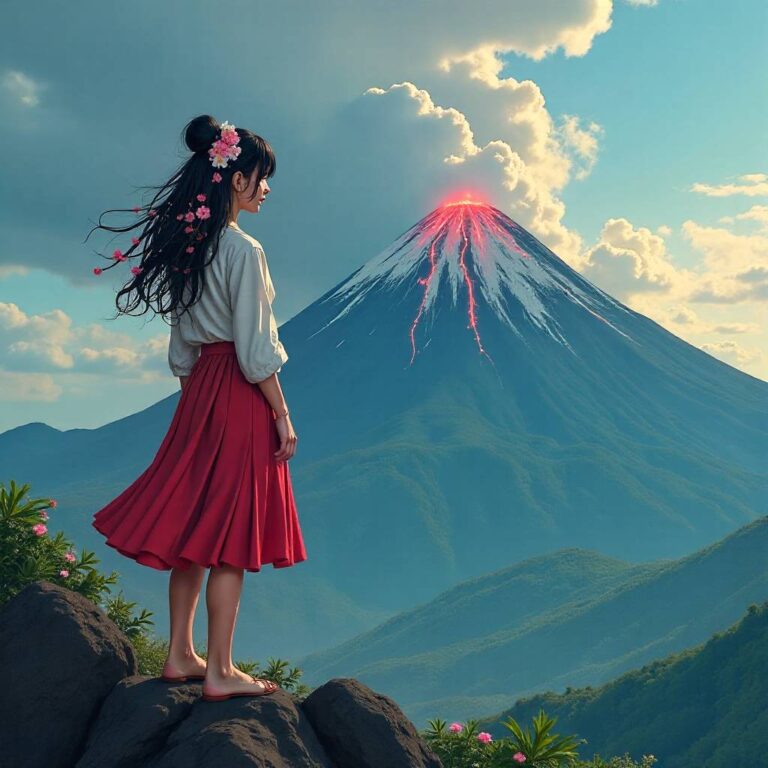
First off, let’s set the stage. Sakurajima is an active stratovolcano located just a hop, skip, and a jump from Kagoshima City. It’s breathtakingly beautiful, with its towering peaks and lush green landscapes. You can see it from almost anywhere in Kagoshima, which feels like a scene straight out of a postcard. I mean, who doesn’t love a good volcano backdrop? It adds a bit of drama to the otherwise serene seaside vibe!
Now, the reason Sakurajima is considered part of Kagoshima City dates back to the 20th century. In 1946, Sakurajima and Kagoshima Island were merged administratively. Here’s the thing: even though the island is technically a separate landmass, its close relationship with the mainland city is what really ties it all together. It’s like that best friend who always hangs out with you, no matter how far apart you live!
Exploring the Island
When I arrived at Sakurajima, I was absolutely blown away by its beauty. I took a ferry from Kagoshima City, and the 15-minute ride felt like a dreamy escape. The smell of the ocean, the view of the volcano getting closer—pure bliss! As we pulled into the port, I could see the iconic lava fields that have shaped the landscape. Honestly, it felt like stepping onto another planet. I had this overwhelming urge to shout, “I’m on Sakurajima!” but I held back (barely).
Once on the island, the first thing I did was rent a bike. I mean, what better way to explore than by pedaling around this natural wonder? The bike rental shop was cute and quaint, and the staff was super friendly. They even gave me a map with all the best spots marked! I felt like a kid on a treasure hunt.
The Volcano’s Echoes
As I rode around, I couldn’t help but think about the volcanic activity here. Sakurajima is one of Japan’s most active volcanoes, constantly reminding you of the raw power of nature. I learned that it has erupted more than 100 times in the past century alone! Crazy, right? Standing there, you can almost feel the earth pulsing beneath your feet… in a good way, of course!
One of my favorite spots was the Sakurajima Visitor Center. It’s a treasure trove of information about the volcano’s history and its relationship with the people living nearby. They even have a section dedicated to the local wildlife! Have you ever seen a Japanese black cow? They’re famous for being raised on the nutrient-rich volcanic soil, and lemme tell you, they’re a sight to behold. I felt like I was on a National Geographic adventure!
Cultural Ties
But let’s get back to the main question: Why is Sakurajima part of Kagoshima City? The truth is, it’s all about connection—culturally, economically, and historically. The people of Kagoshima have lived alongside this volcano for centuries. It’s part of their identity, and they’ve adapted to its presence in remarkable ways. The local cuisine, agriculture, and even the architecture have all been influenced by Sakurajima.
On my trip, I was lucky enough to sample some of the local delicacies. Have you ever tried “Sakurajima daikon”? It’s a huge radish that grows in the volcanic soil and is renowned for its flavor. I had it pickled, and let me tell you, it was a perfect accompaniment to my rice! I even met a farmer who told me stories of his family’s generations of working the land. His pride was palpable; it was heartwarming to see such a close bond between the community and the volcano.
Connecting with the Locals
Speaking of connection, I had an incredible encounter with a local artist who was inspired by Sakurajima. She invited me into her studio, which overlooked the bay, and it felt like stepping into a dream. Her paintings captured the essence of the island—the swirling smoke, the rich greens, and even the vibrant sunsets. I couldn’t help but feel a sense of gratitude for being able to witness such beauty firsthand.
As we chatted, she shared stories of how the community comes together during volcanic eruptions, working hand-in-hand to ensure everyone is safe. It was a reminder that even in the face of nature’s unpredictability, the human spirit is resilient and connected.
Things to Do
If you’re thinking about visiting Sakurajima, I highly recommend checking out the “Sakurajima Lava Nagisa Park.” It’s got stunning views of Kagoshima Bay and the volcano itself. Bring a picnic and just soak it all in! I found a little spot by the water and spent a couple of hours just gazing at the island. I felt like I was in a movie scene—the kind where the character reflects on life, you know?
Another must-see is the “Kurokami Buried Shrine,” which is a testament to the volcanic eruptions that have shaped this land. It’s eerie but beautiful, and it’s fascinating to see how nature and spirituality intertwine here.
Final Thoughts
As my day on Sakurajima came to a close, I couldn’t help but reflect on how this volcanic island is more than just a geographical curiosity; it’s a living, breathing part of Kagoshima City. It embodies the resilience and creativity of the people who call this place home. So, when you ask why Sakurajima is part of Kagoshima City, remember that it’s about community, culture, and connection.
So if you’re planning a trip to Japan, don’t just stick to the big cities. Make sure to carve out time to explore hidden gems like Sakurajima. You’ll not only be treated to stunning views and rich history, but you’ll also discover a place where nature and humanity coexist in the most beautiful way. Happy travels, and remember to keep your heart open to the wonders around you!