

Reader’s Question: I have a question about the pilgrimage to Samapoke. This year, I will be going on my first pilgrimage, but is it difficult to get around the island by car? I’ve seen various sources suggesting that traveling by
bicycle or motorcycle is recommended. I would appreciate responses from those who have gone on the pilgrimage in the past. Thank you!
Embarking on the Pilgrimage to Shikoku: My Journey to Samapoke
So, you’re thinking about embarking on a pilgrimage to the sacred island of Shikoku, especially the famed route to Samapoke? First off, let me say this: you’re in for an incredible adventure! I recently completed my own pilgrimage, and let me tell you, it was nothing short of transformative. But, let’s get to the heart of your question—how difficult is it to get around by car compared to biking or riding a motorcycle?
The Allure of Shikoku
Shikoku is this wonderfully serene island that’s rich in history and spirituality. The 88 Temple Pilgrimage, which takes you to 88 Buddhist temples, is not just about spirituality; it’s a cultural feast! Each temple has its own vibe and history, and the journey between them is filled with stunning landscapes, quaint little villages, and the warmest locals you could ever meet.
When I first pondered this pilgrimage, I imagined myself zipping around the island, soaking up all that beautiful scenery, while also traveling between these historic sites. But as I began to do a little research, I kept coming across folks saying that cycling or riding a motorcycle was the way to go. It made me curious. Why was driving a car less popular for this journey?
The Car Dilemma
Let’s start with the car situation. Renting a car is relatively easy in Japan, and driving is generally a breeze—unless you’re trying to navigate the narrow winding roads of Shikoku. Honestly, I found some of those roads to be a bit daunting. They’re often single-lane and can be quite steep. Add in a few hairpin turns, and, well, let’s just say my heart was racing a bit!
Moreover, parking can be a hassle near the temples, especially during peak pilgrimage seasons. Many of these sacred sites are situated in remote areas without ample parking. I ended up circling a few places, cursing under my breath, as I tried to find a spot that would allow me to actually explore the temple instead of just driving past it.
The Joy of Biking
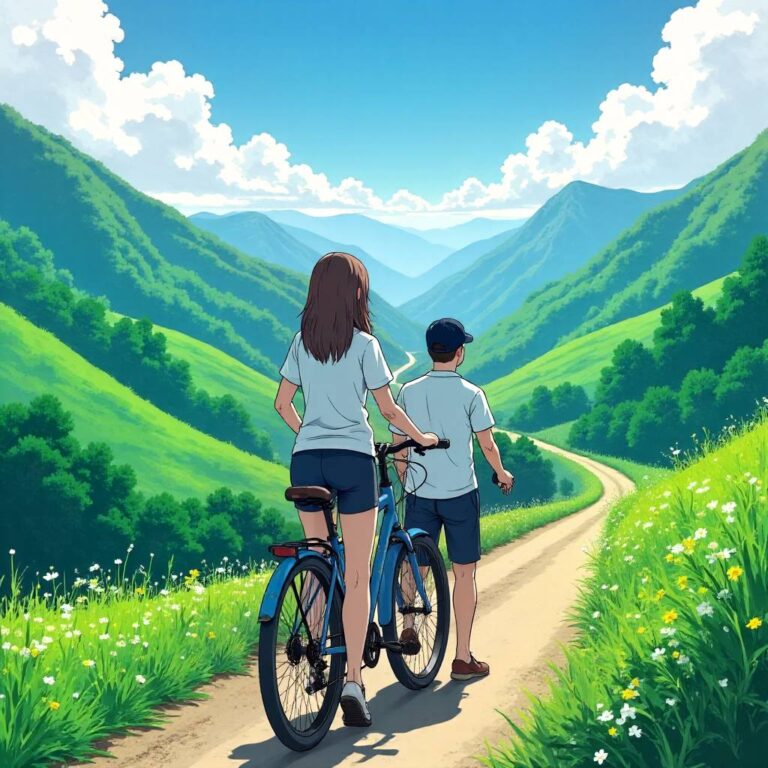
Now, let’s talk about biking. I hopped on a bicycle for parts of my journey, and wow, was that a life-changing experience! I understand why people rave about it. Shikoku is stunning from the saddle of a bike. Picture this: you glide past rice paddies, lush mountains, and charming rural towns that you’d likely miss if you were whizzing by in a car.
Plus, there’s something special about feeling the wind on your face and actually interacting with locals as you pass by. One day, I stopped for a quick tea break at a tiny roadside cafe, and I ended up chatting with an elderly gentleman who told me stories about his own pilgrimage days. Those moments are priceless!
Motorcycles: The Adventurer’s Choice
Now, if you’re feeling a bit more adventurous and don’t mind the wind in your hair, a motorcycle could be your best bet. I met a few fellow pilgrims on the road who were cruising along in style, and they seemed to be having the time of their lives! The freedom of the open road is exhilarating, and you can easily pull over for photos or to admire the breathtaking views.
However, do consider that riding a motorcycle can be a bit more challenging, especially if you’re not super familiar with handling one. But hey, if you’ve got the skills and a spirit for adventure, why not? Just make sure to pack some good gear—trust me, some of those mountain roads can be quite chilly!
Logistics and Planning
Okay, so let’s get down to the nitty-gritty. If you decide to bike or ride a motorcycle, there are plenty of rental shops throughout the island. I found that renting a bicycle for a few days was affordable and super easy. Just make sure to check that the bike is in good condition; I was given a clunker that squeaked at every turn! Still, I loved every minute of it.
If you’re planning to stay over at various temples or guesthouses, do make reservations in advance. Some places can fill up quickly, especially during peak pilgrimage seasons. The last thing you want is to be pedaling or riding around searching for a place to rest after a long day.
My Conclusion
In the end, let me say this: while driving a car can be convenient, biking or motorcycling through Shikoku offers a much richer experience. You’ll connect with the land, the culture, and the people in a way that zooming past in a car simply can’t replicate. Plus, those little moments of serendipity—like stumbling upon a hidden temple or a local festival—are what make travel truly unforgettable.
If you’re still weighing your options, I’d recommend trying to incorporate a bit of both: drive for the longer distances but bike the segments between temples. It’s the best of both worlds! Just make sure to take your time, soak in the beauty around you, and, most importantly, enjoy the journey.
Final Thoughts
As you embark on your own pilgrimage journey to Samapoke, keep your heart and mind open to whatever comes your way. Whether it’s the challenge of those winding roads or the sheer joy of cycling through picturesque landscapes, remember: it’s not just about the destination, but the experiences you gather along the way.
Happy travels, and may your pilgrimage be filled with joy, discovery, and unforgettable moments! You got this!