

Reader’s Question: It sounds like they are introducing Kochi as the land of Noto in the Hinadan group. What are they saying?
Discovering Kochi: The Hidden Gem of Noto
Okay, let’s talk about Kochi. When I first heard it was
being introduced as the “land of Noto” in the Hinadan group, I’ll admit I was a little confused. I mean, I was traveling to Japan for the culture, the food, the temples, and the breathtaking nature, but the Noto Peninsula? I had no idea what was in store for me. So, armed with a curious spirit and a hefty itinerary, off I went to discover this part of Japan that seemed to be flying under the radar.
The Arrival
As soon as I stepped off the train in Kochi, I felt a wave of excitement mixed with nerves. The air was different—crisp, fresh, and laced with the faint scent of the sea. I was welcomed by the warmth of the locals, and there was something comforting about the laid-back vibe of the city. This wasn’t Tokyo or Osaka—this was something entirely different. It’s like the city was giving me a warm hug, saying, “Welcome to my hidden world.”
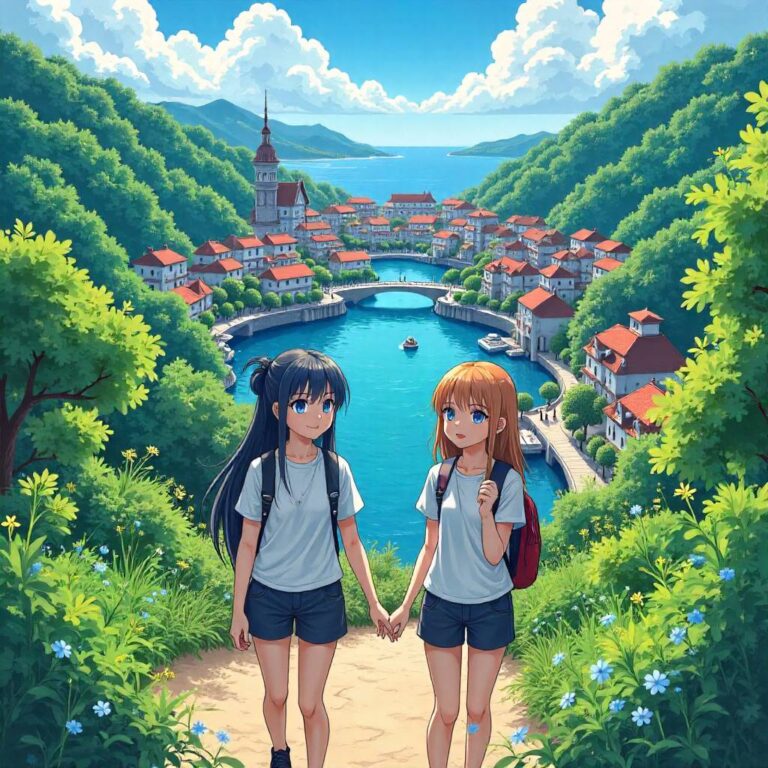
One of the first things I noticed was the geography. Kochi is flanked by mountains and the Pacific Ocean, creating stunning backdrops that are practically begging for a photo op. I mean, how many times do you get to see such a picturesque blend of nature and city life? I felt like I could spend hours just wandering around, soaking it all in.
Hinadan Group and the Noto Connection
Now, let’s talk about that Hinadan group and the whole Noto connection. It turns out that Kochi is not just about its scenic beauty; it has some deep cultural roots tied to the Noto Peninsula. I learned that the Hinadan group refers to a collection of traditional, ornate displays created for the Hinamatsuri festival, or Doll Festival, which is celebrated on March 3rd. It’s not just a simple display; it’s a deeply cherished tradition that reflects Japanese craftsmanship and love for culture.
But what makes Kochi special is how it celebrates this tradition while blending in local flavors and aesthetics. As I wandered through the streets, I stumbled onto a local museum showcasing some beautifully crafted Hinadan displays, and let me tell you, I was blown away. The details in each doll, the vibrant colors, and the delicate fabrics were just mesmerizing.
A Taste of Tradition
Speaking of local flavors, let’s dive into the food scene, shall we? You cannot visit Kochi without indulging in some of the freshest seafood you can imagine. I remember walking into a small izakaya and being greeted by the sight of glistening sashimi platters. My mouth watered as I realized each piece was sourced from the surrounding waters. It felt like I was eating right off the fishing boat!
I decided to go all-in and order the local specialty, katsuo no tataki, which is seared bonito fish. I can still remember the first bite—it was smoky, tender, and topped with green onions and garlic. Pure heaven! The chef brought it out with such pride, and honestly, I felt honored to experience such a traditional dish. If you’re a foodie, you’ll understand the magic of tasting something that has been crafted with love and care.
Exploring the Nature
If you’re a nature lover like me, you have to add Kochi to your bucket list. The area is filled with stunning landscapes, from lush mountains to pristine coastlines. I decided to take a day trip to the Noto Peninsula, which is just a stone’s throw away. I hopped on a local bus, and after an hour or so, I found myself surrounded by breathtaking coastal views that would make any postcard jealous.
The highlight of my Noto trip was visiting the Wajima Morning Market. I’ll never forget the vibrant stalls, filled with colorful produce, handcrafted goods, and the friendliest vendors. I could’ve spent hours just wandering around, chatting with locals, and sampling delicious treats. And let’s not forget about the unique lacquerware that Wajima is famous for. I picked up a beautiful bowl that I still use—it’s a little piece of Kochi that I get to take home with me.
Connecting with the Locals
One of the most heartwarming experiences I had in Kochi was getting to know the locals. I joined a workshop where we learned how to make traditional Noto-style sushi. Picture this: a small kitchen filled with laughter, the smell of rice cooking, and the sound of knives chopping fresh ingredients. It was a delightful chaos! As we rolled our sushi, we exchanged stories, and it felt like I was part of a family. It’s moments like these that remind me of the power of travel. It’s not just about the places you see, but the connections you make along the way.
Final Thoughts on Kochi
As my time in Kochi came to an end, I felt a strange mix of emotions. There was a longing to stay a little longer, to explore more hidden nooks and crannies, and to deepen those connections I had made. This city, with its blend of tradition and nature, had captured my heart in ways I hadn’t anticipated. It’s funny how you can plan for something but then get swept away by the unexpected.
So, if you’re wondering what Kochi has to offer as the “land of Noto,” I can tell you it’s a tapestry of culture, cuisine, and warm-hearted connections. It’s the kind of place that makes you feel alive and reminds you of the simple joys of exploring new territories. Whether you’re an adventurer, a foodie, or just someone looking for a unique experience, Kochi will not disappoint.
I left Kochi with not just souvenirs but also a heart full of memories and a newfound appreciation for this lesser-known gem. So, pack your bags and dive into the world of Kochi. Trust me, you won’t regret it!